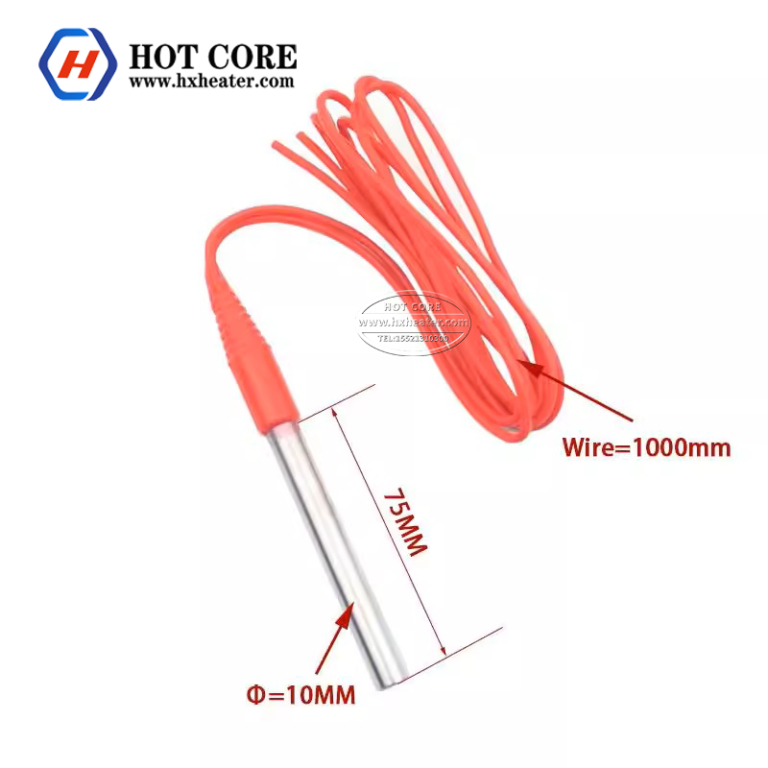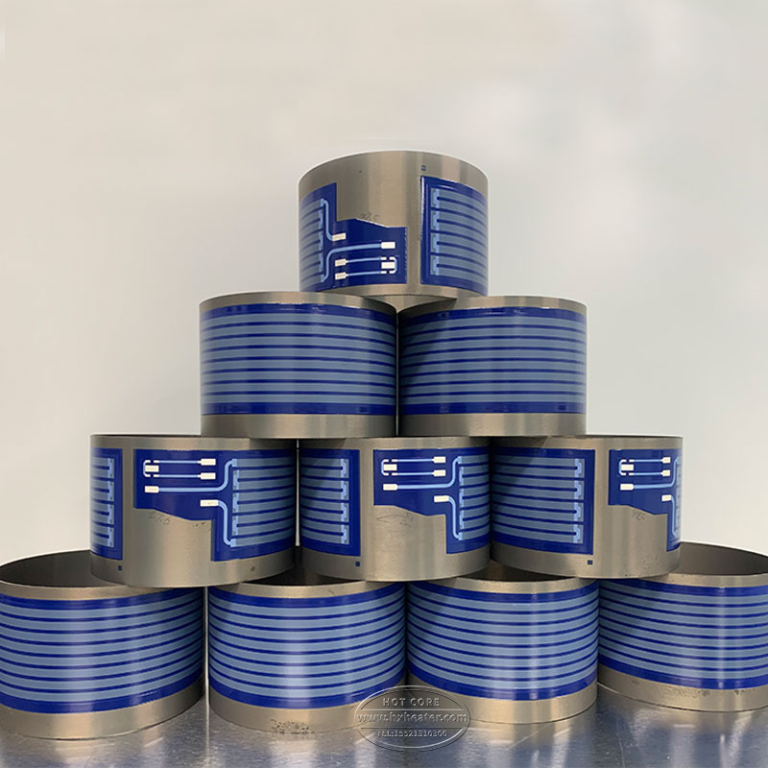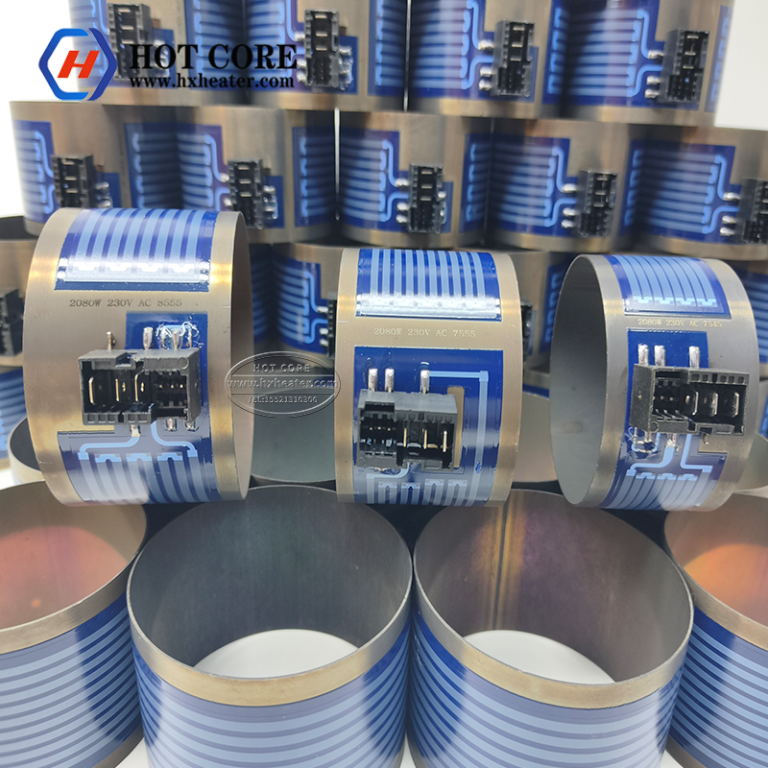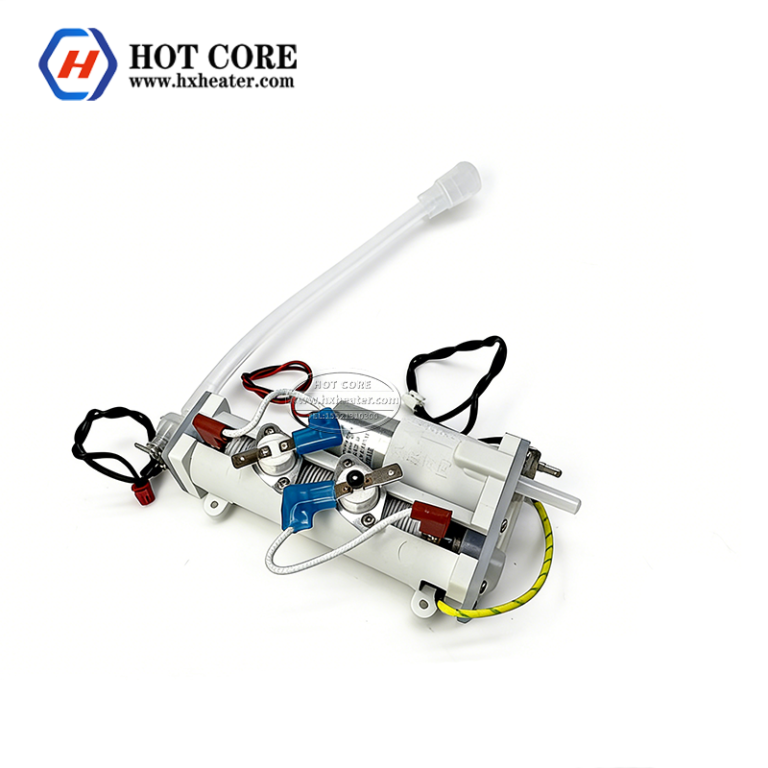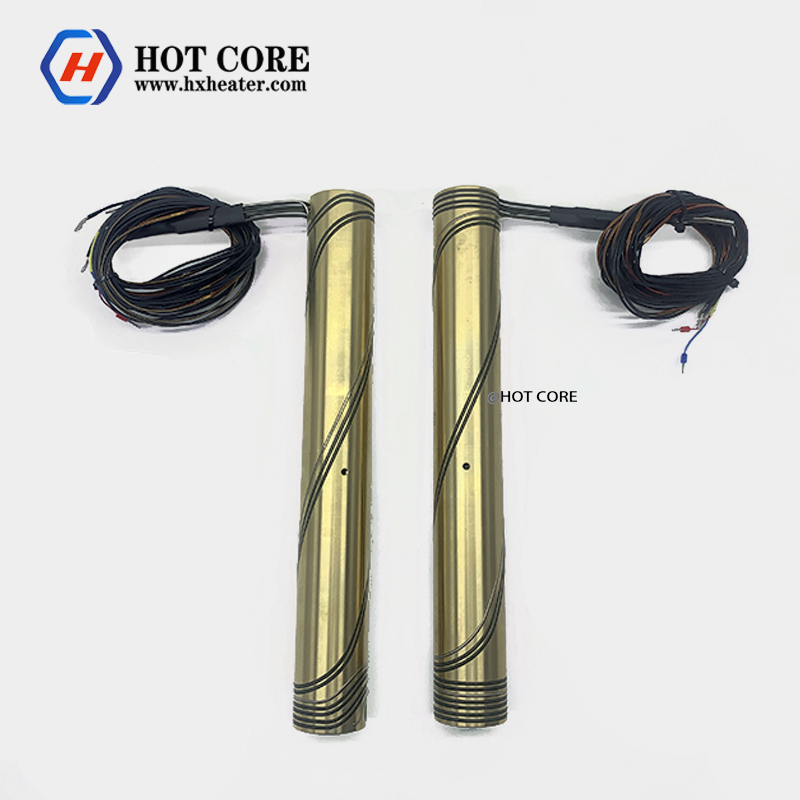
Încălzitor de conducte din alamă cu canal cald. Încălzitor cu bobină presată cu termocuplu
Detaliu tehnic:
1.Folosește condiția:temperatura mediului ambiant:-20~+60C,Temperatura relativă<95%
2.Curent de scurgere: <0.5MA
3.Rezistență la izolare: ≥5MO
4.Rezistenta la sol: <0.1O
5.Rezistenta la tensiune: nici o pană electrică pt 1 minut sub 1500V
6.Rezistenta la temperatura: 100-1200 ℃

9. Inginerie termică avansată.

Secțiune transversală pentru bobine și încălzitoare cu cablu cald
Rundă(ACOLO): 3mm,3.3mm,3.5mm
Pătrat: 3X3mm,3.3X3.3mm,3.5X3.5mm
Dreptunghiular: 2X4mm,4.2X2,4 mm,1.3X2.3mm,4.2X2.2mm
Orice alte secțiuni transversale pot fi fabricate și furnizate la cerere.

Aplicație pentru bobină de încălzire cu canal cald:
1. Duza pentru mașină de turnat prin injecție
2. Duze pentru canal fierbinte & Bucșe
3. Utilaje de ambalare
4. Matrite de injectie cu canal cald.
5. Injectare & Duze pentru mașină de turnat prin suflare.
6. PET prede la & Recipient cu perete subțire Matrite
7. Manifold cu canal cald.

Cum să comandați bobine și încălzitoare cu cablu fierbinte
1. Volți&wați
2. Diametrul interior al încălzitorului spiralat : I.D (Sau) Diametrul exterior al duzei de încălzit
3. Înălțimea bobinei
4. Opțiunea cablului de conectare și lungimea cablului de conducere
5. Tipul de termocuplu (tip J sau tip K)
6. Desen sau eșantion pentru tip special
7.Cantitate

Sfaturi de instalare pentru bobine de încălzire
Diametrul interior al unei bobine de încălzire este de 0,020″ mai mic decât diametrul nominal al unei duze. Acest lucru se face în mod intenționat pentru a asigura o prindere pozitivă în orice moment. În timpul instalării, o bobină de încălzire ar trebui să fie înșurubat în poziția corectă. Împingerea cu forță sau deschiderea ușoară a bobinei pentru a facilita instalarea ar putea deteriora permanent încălzitorul.
În timpul instalării, numai secțiunea rece dreaptă poate fi ușor îndoită. Acest lucru ar trebui făcut într-o singură încercare. Raza de îndoire nu trebuie să fie mai mică de 0,5″. Este întotdeauna recomandat să contactați fabrica noastră atunci când sunt necesare modificări de formular.
Secțiunea rece dreaptă poate rezista la temperaturi de până la 1500°F. Cu toate acestea, pentru a proteja firele de plumb, temperatura unei secțiuni dincolo de adaptorul de tranziție trebuie menținută sub 480°F.