Introduzione all'alloggiamento della sonda di temperatura
1. Scopo del prodotto
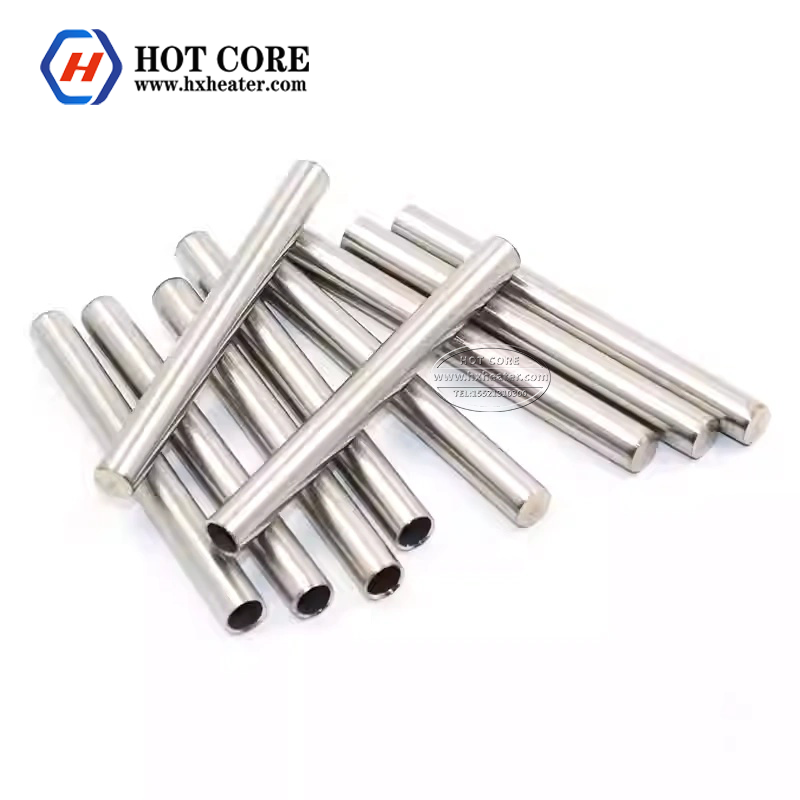
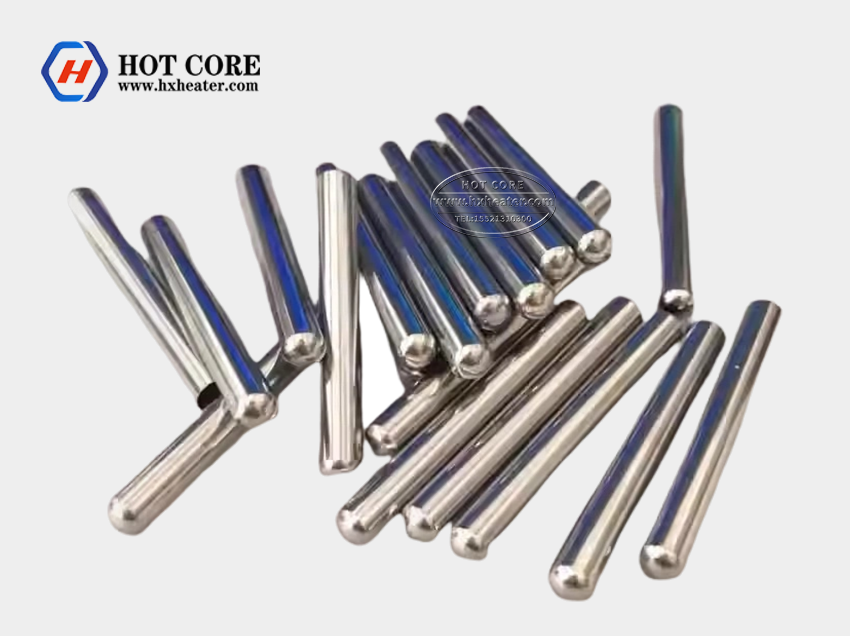
L'alloggiamento della sonda di temperatura è un componente di protezione e montaggio specializzato progettato per salvaguardare gli elementi di rilevamento della temperatura (come le termocoppie, RTD, termistori) e garantirne la stabilità, accurato, e funzionamento affidabile in vari ambienti. Il suo scopo principale è isolare la sonda sensibile dalle interferenze esterne, danni meccanici, sostanze corrosive, e sbalzi termici estremi, facilitando anche la corretta installazione, posizionamento, e il trasferimento di calore tra la sonda e il mezzo misurato. Fornendo una custodia dedicata, prolunga la durata della sonda di temperatura, mantiene la precisione della misurazione, e consente alla sonda di adattarsi a diverse condizioni di lavoro che altrimenti sarebbero inospitali.
2. Funzioni principali
Innanzitutto, serve come a barriera protettiva: proteggere la sonda di temperatura interna da urti fisici, polvere, umidità, prodotti chimici, e altri fattori dannosi che potrebbero compromettere le prestazioni della sonda o causare guasti prematuri. In secondo luogo, consenteefficiente trasferimento di calore: il materiale dell'alloggiamento è accuratamente selezionato per garantire una resistenza termica minima, consentendo la trasmissione rapida e precisa della temperatura misurata all'elemento sensibile della sonda senza ritardi significativi. In terzo luogo, fornisce facilità di installazione e posizionamento: dotato di strutture di montaggio standardizzate (come i thread, flange, o clip), consente di fissare saldamente la sonda di temperatura nella posizione di misurazione desiderata, garantendo stabilità durante il funzionamento a lungo termine. Inoltre, alcuni modelli avanzati offrono funzioni di adattamento ambientale, come la resistenza alla pressione, a prova di esplosione, o capacità impermeabili, per soddisfare i requisiti di condizioni di lavoro speciali.

3. Caratteristiche chiave
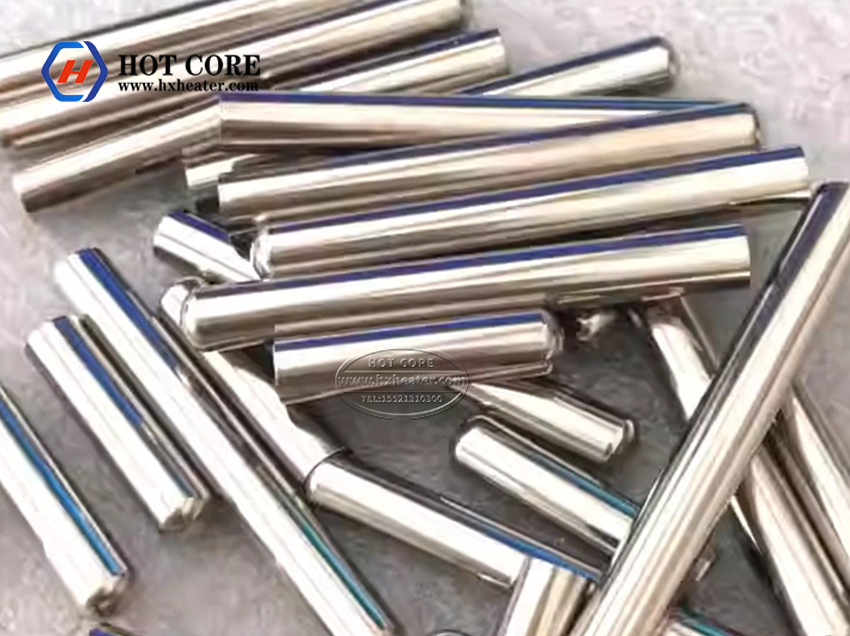
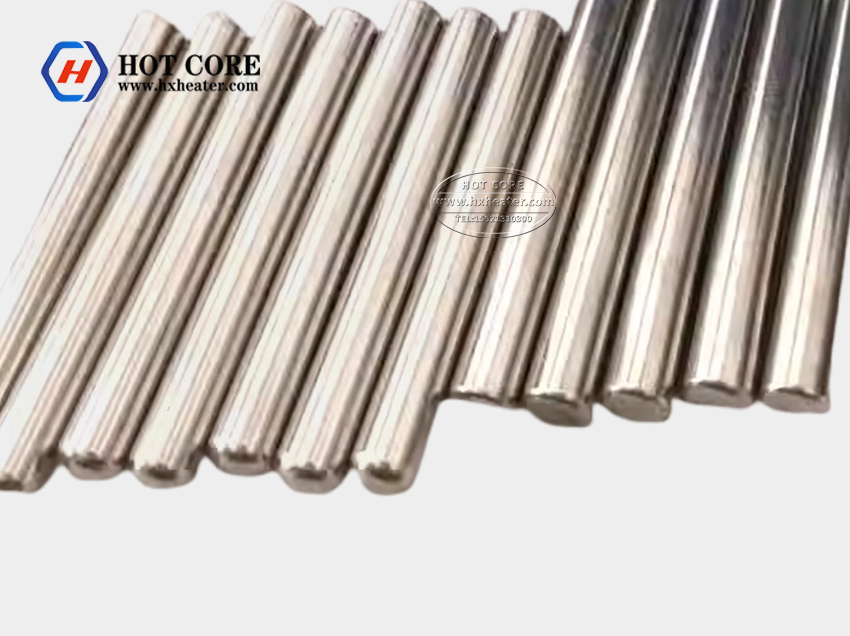
L'alloggiamento della sonda di temperatura vanta diverse caratteristiche importanti: progettazione strutturale robusta che garantisce elevata resistenza meccanica e durata nel tempo, in grado di resistere ad ambienti industriali difficili;opzioni di materiali versatili (compreso l'acciaio inossidabile, lega di titanio, PTFE, ecc.) per adattarsi a diversi corrosivi, alta temperatura, o scenari a bassa temperatura; eccellente conduttività termica (per custodie metalliche) o isolamento termico mirato (per applicazioni specializzate) per ottimizzare la precisione della misurazione; dimensioni dell'interfaccia standardizzate compatibili con la maggior parte delle sonde di temperatura commerciali, consentendo una facile sostituzione e manutenzione; E design compatto e leggero (negli scenari applicabili) che facilita l'installazione in aree strette o con spazio limitato.
4. Vantaggi competitivi
Rispetto a prodotti simili sul mercato, la nostra custodia per sonda di temperatura offre vantaggi distinti: qualità del materiale superiore—Utilizziamo materie prime di alta qualità sottoposte a severi controlli di qualità, garantendo una migliore resistenza alla corrosione, resistenza alle alte temperature, e durata di servizio rispetto alle custodie ordinarie; progettazione personalizzabile—possiamo personalizzare le dimensioni dell'alloggiamento, forma, metodo di montaggio, e materiale in base alle specifiche esigenze dei clienti, adattandosi ad ambienti di misura e specifiche della sonda unici; maggiore stabilità della misurazione—il design strutturale ottimizzato riduce al minimo la resistenza termica e le interferenze esterne, garantendo che la sonda mantenga letture della temperatura coerenti e accurate per lunghi periodi; rapporto costo-efficacia—Fornendo prestazioni elevate, i nostri prodotti hanno un prezzo competitivo, e la loro lunga durata riduce la frequenza di sostituzione e manutenzione, riducendo i costi operativi complessivi per i clienti; E certificazioni di sicurezza complete (come ATEX, IP67, ecc.) che soddisfano gli standard di sicurezza internazionali, rendendoli adatti all'uso in aree pericolose e ambienti difficili.

5. Scenari applicativi
L'alloggiamento della sonda di temperatura è ampiamente utilizzato in molteplici settori e ambienti, compreso: Produzione industriale (petrolchimico, chimico, farmaceutico, lavorazione degli alimenti, automobilistico, ecc.)—utilizzato per misurare la temperatura delle materie prime, prodotti intermedi, e prodotti finiti nei processi produttivi, così come la temperatura delle apparecchiature (come i reattori, condutture, forni); Energia e potenza (centrali termoelettriche, centrali nucleari, impianti di energia rinnovabile)—utilizzato per monitorare la temperatura delle caldaie, turbine, scambiatori di calore, e altre attrezzature chiave; Monitoraggio ambientale—utilizzato nelle stazioni meteorologiche, impianti di trattamento delle acque, e sistemi di monitoraggio della qualità dell'aria per misurare la temperatura ambiente, temperatura dell'acqua, e la temperatura del suolo; HVAC e refrigerazione—utilizzato nei sistemi di condizionamento dell'aria, frigoriferi, congelatori, e impianti di conservazione frigorifera per controllare e monitorare la temperatura;Aerospaziale e marino—utilizzato nei motori degli aerei, motori delle navi, e ambienti marini per misurare la temperatura in condizioni estreme come l'alta pressione, vibrazione elevata, e corrosione; Medicina e sanità—utilizzato nelle apparecchiature mediche (come gli incubatori, sterilizzatori) e impostazioni di laboratorio per garantire un controllo preciso della temperatura.
 6. Specifiche chiave
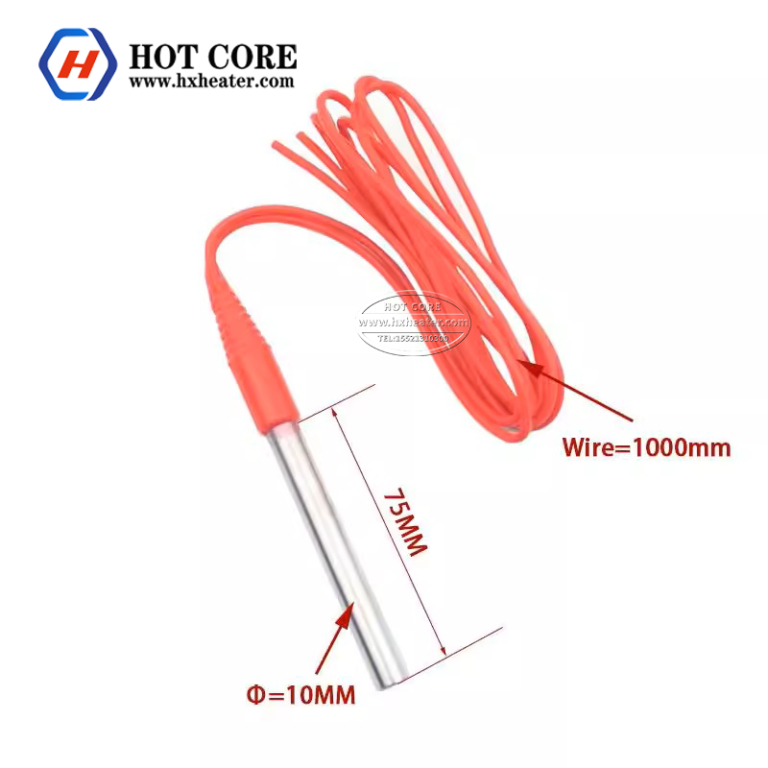
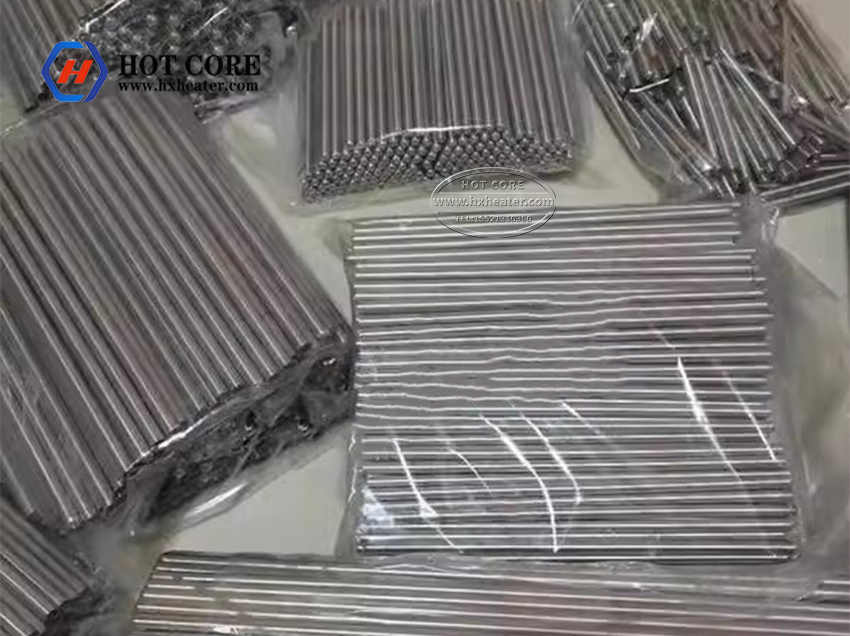
Gli attributi critici dell'alloggiamento della sonda di temperatura includono: Materiale: Acciaio inossidabile (304, 316l), lega di titanio, PTFE, lega di alluminio, ecc.; Intervallo di temperatura: -200da °C a 1200 °C (varia in base al materiale); Valutazione della pressione: Fino a 100 sbarra (a seconda del design strutturale e del materiale); Livello di protezione: IP65, IP67, IP68 (per impermeabile, modelli antipolvere); Tipo di montaggio: Filettato (TNP, BSP), flangiato, morsetto, tipo di inserimento; Diametro interno: 3mm a 50 mm (personalizzabile); Lunghezza: 20da mm a 500 mm (personalizzabile); Certificazioni: ATEX, IECEx, UL, CE, ecc. (per antideflagrante, modelli conformi alla sicurezza); Conduttività termica: 10 Con/(m·K) A 50 Con/(m·K) (varia in base al materiale).
7. Riepilogo
In sintesi, la custodia della sonda di temperatura è un componente ausiliario indispensabile per i sistemi di misurazione della temperatura. Integra la protezione, trasferimento di calore, e funzioni di installazione, con le caratteristiche di elevata durabilità, forte adattabilità, ed eccellente compatibilità. I suoi vantaggi competitivi nella qualità dei materiali, personalizzazione, e l'economicità lo rendono adatto a un'ampia gamma di scenari applicativi in vari settori. Utilizzando un alloggiamento della sonda di temperatura di alta qualità, gli utenti possono proteggere efficacemente le sonde di temperatura, migliorare la precisione e la stabilità della misurazione, prolungare la vita utile delle apparecchiature, e ridurre i costi operativi.

8. Conclusione
Sia in ambienti industriali difficili, impostazioni precise del laboratorio, o sistemi HVAC giornalieri, l'alloggiamento della sonda di temperatura svolge un ruolo cruciale nel garantire una misurazione affidabile della temperatura. Ci impegniamo a fornire prestazioni elevate, soluzioni di custodia per sonde di temperatura personalizzabili per soddisfare le diverse esigenze dei clienti in diversi settori. Se hai requisiti specifici per le specifiche del prodotto, materiali, o scenari applicativi, non esitate a contattarci per informazioni più dettagliate e supporto tecnico professionale.