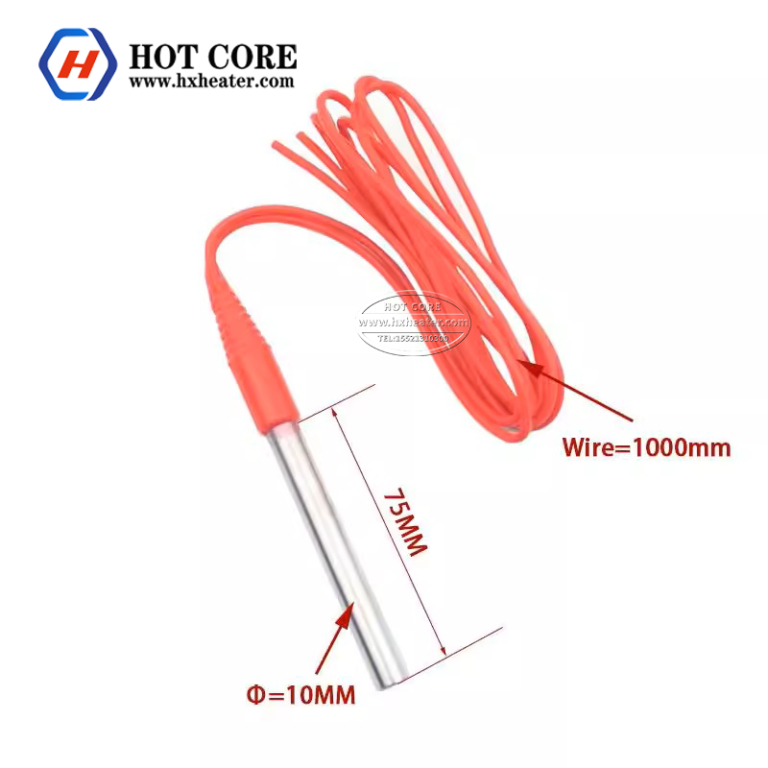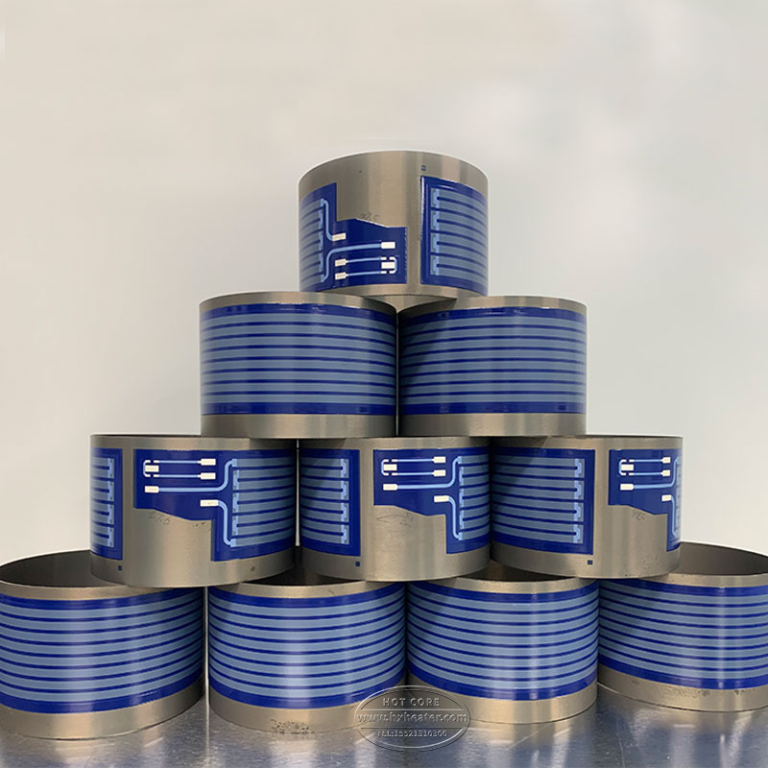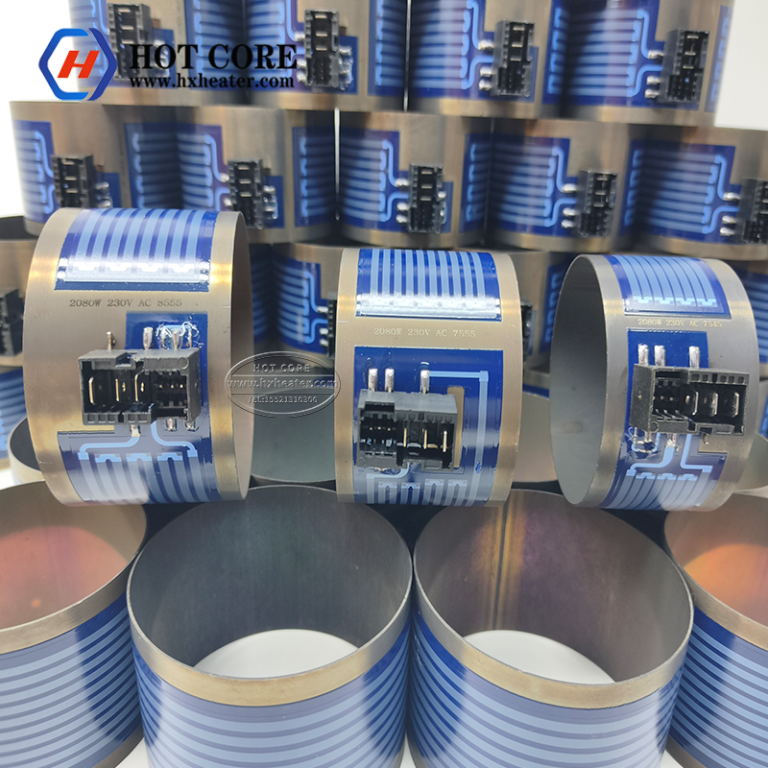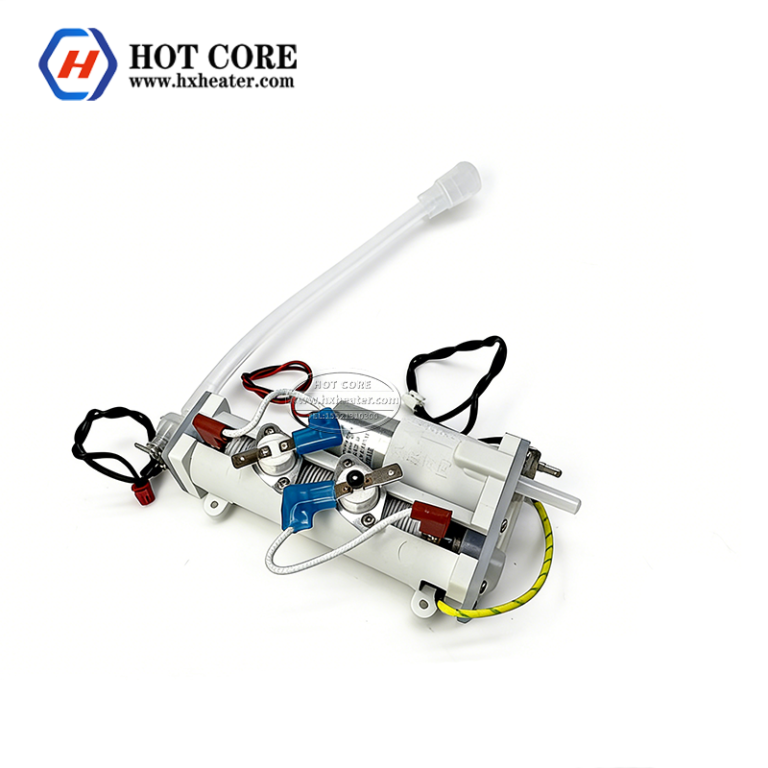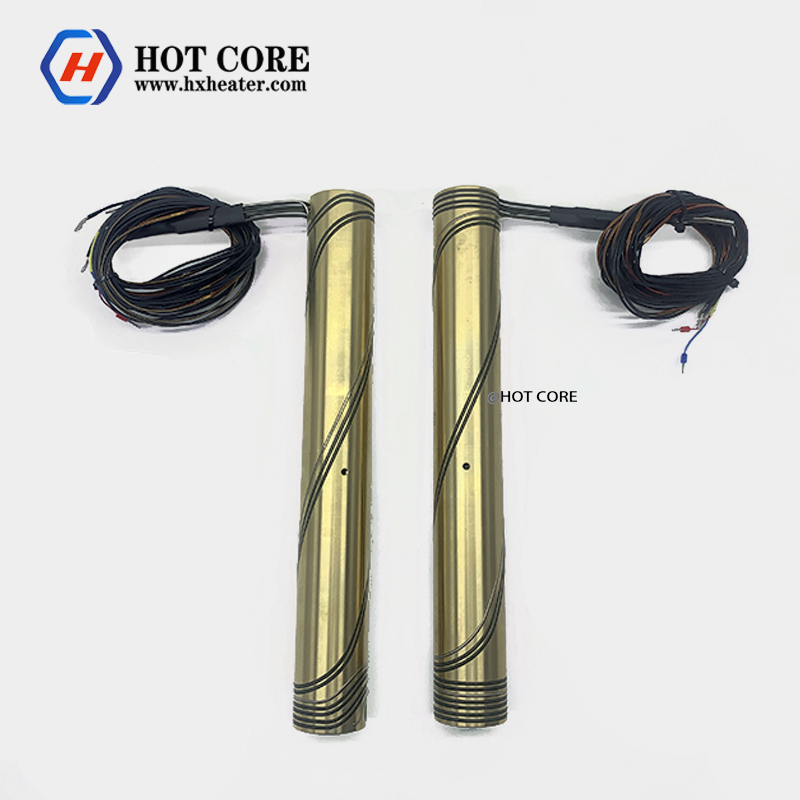
Riscaldatore a spirale pressata per riscaldatore per tubi in ottone a canale caldo con termocoppia
Dettagli tecnici:
1.Usa la condizione:temperatura ambiente:-20~+60°C,Temperatura relativa<95%
2.Corrente di dispersione: <0.5MA
3.Resistenza di isolamento: ≥5MO
4.Resistenza del terreno: <0.1O
5.Resistenza alla tensione: nessun guasto elettrico per 1 minuto sotto 1500 V
6.Resistenza alla temperatura: 100-1200 ℃

9. Ingegneria termica avanzata.

Sezione trasversale per batteria a canale caldo e riscaldatori a cavo
Girare(LÀ): 3mm,3.3mm,3.5mm
Piazza: 3X3 mm,3.3X3,3 mm,3.5X3,5 mm
Rettangolare: 2X4mm,4.2X2,4 mm,1.3X2,3 mm,4.2X2,2 mm
Eventuali altre sezioni trasversali possono essere prodotte e fornite su richiesta.

Applicazione per riscaldatore a serpentina a canale caldo:
1. Ugello per macchina per stampaggio ad iniezione
2. Ugelli a canale caldo & Boccole
3. Macchine per l'imballaggio
4. Stampi per iniezione a canale caldo.
5. Iniezione & Ugelli per macchine per soffiaggio.
6. PET preformato & Stampi per contenitori a pareti sottili
7. Collettori a canale caldo.

Come ordinare i riscaldatori a bobina calda e a cavo
1. Volt&Watt
2. Diametro interno del riscaldatore a spirale : ID (O) Diametro esterno dell'ugello da riscaldare
3. Altezza della bobina
4. Opzione cavo di collegamento e lunghezza del cavo principale
5. Tipo di termocoppia (Tipo J o tipo K)
6. Disegno o campione per tipologia speciale
7.Quantità

Suggerimenti per l'installazione dei riscaldatori a batteria
Il diametro interno di un riscaldatore a spirale è 0,020″ inferiore al diametro nominale di un ugello. Questo viene fatto intenzionalmente per garantire una presa positiva in ogni momento. Durante l'installazione, il riscaldatore a serpentina deve essere avvitato nella posizione corretta. Spingere con forza o aprire leggermente la bobina per facilitare l'installazione potrebbe danneggiare permanentemente il riscaldatore.
Durante l'installazione, solo il tratto dritto freddo può essere leggermente piegato. Questo dovrebbe essere fatto in un unico tentativo. Il raggio di curvatura non deve essere inferiore a 0,5″. Si consiglia sempre di contattare la nostra fabbrica quando sono necessarie modifiche alla forma.
La sezione fredda diritta può resistere a temperature fino a 1500°F. Tuttavia, per proteggere i cavi, la temperatura di una sezione oltre l'adattatore di transizione deve essere mantenuta al di sotto di 480°F.