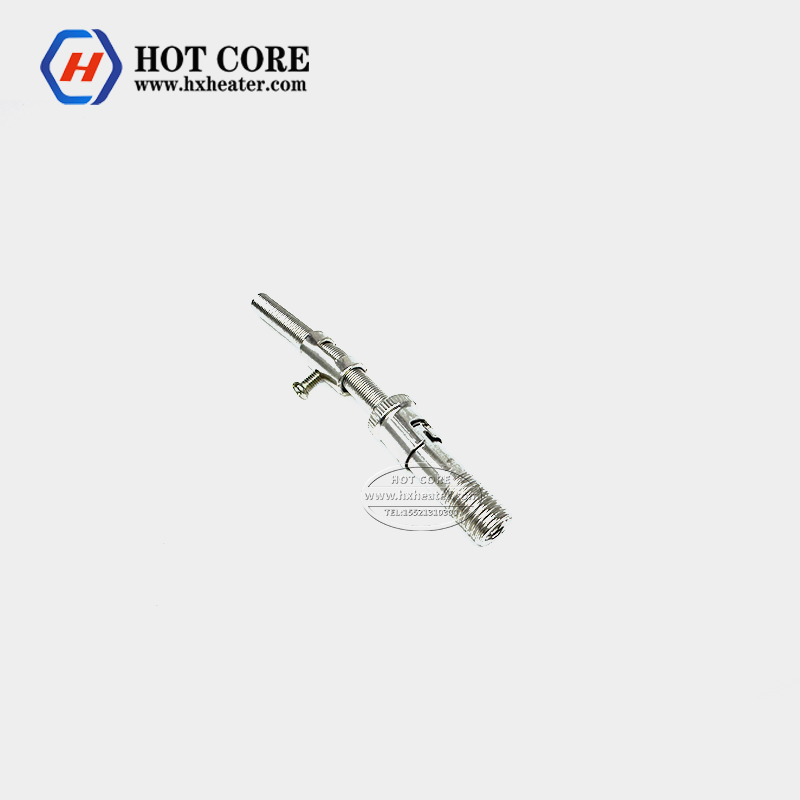
Utilisations & Fonctions
Ses rôles principaux sont centrés sur l'amélioration des performances et de la longévité des thermocouples.:
- Montage sécurisé: Maintient le thermocouple en place pour éviter tout déplacement pendant le fonctionnement de l'équipement.
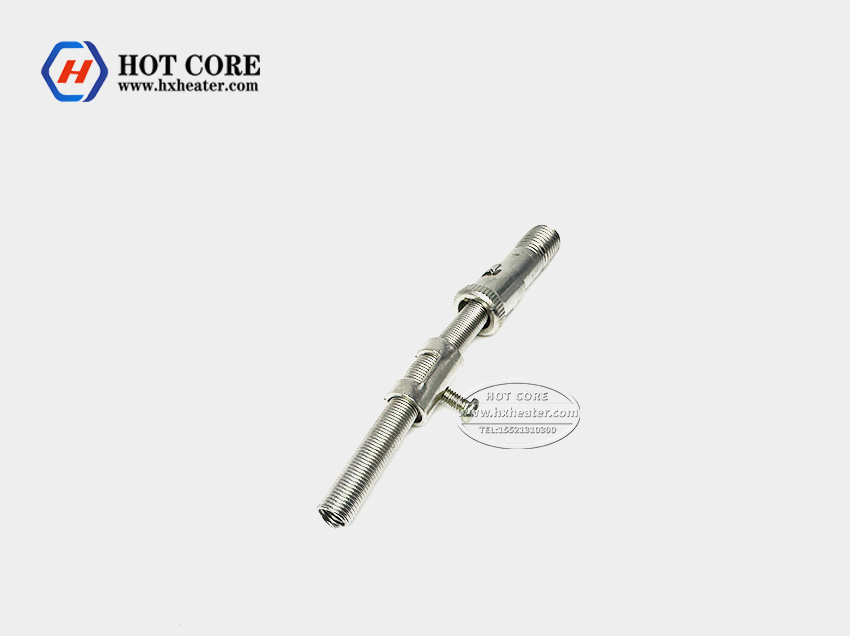
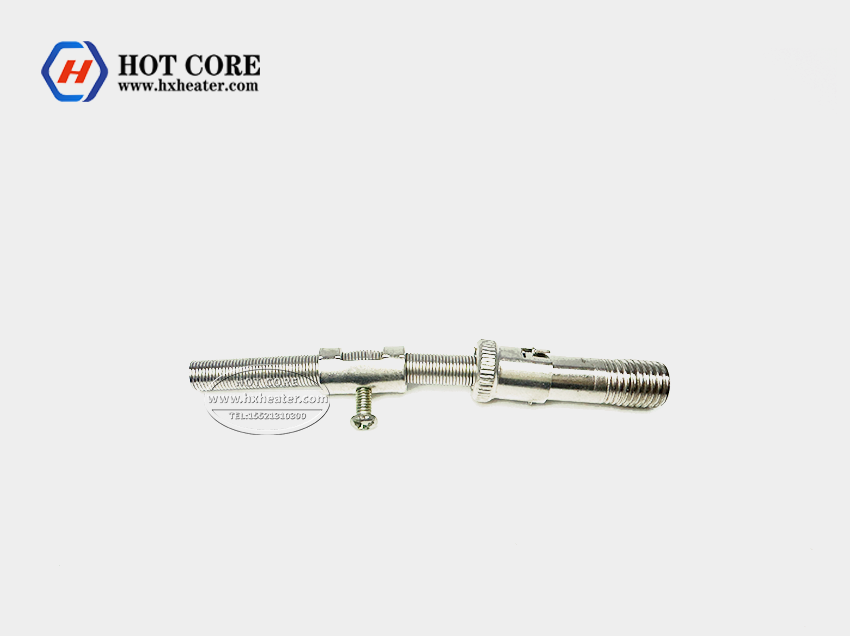
- Assurer un contact constant: Utilise un ressort intégré pour appliquer en continu, légère pression, garder la pointe du thermocouple en contact étroit avec la surface du thermocouple (essentiel pour des lectures précises de la température).
- Protéger le thermocouple: Protège l'élément du thermocouple des dommages mécaniques, poussière, et exposition corrosive mineure.
- S'adapter aux conditions dynamiques: Compense la dilatation/contraction thermique ou les légères vibrations de l'équipement, maintenir un contact de détection stable.
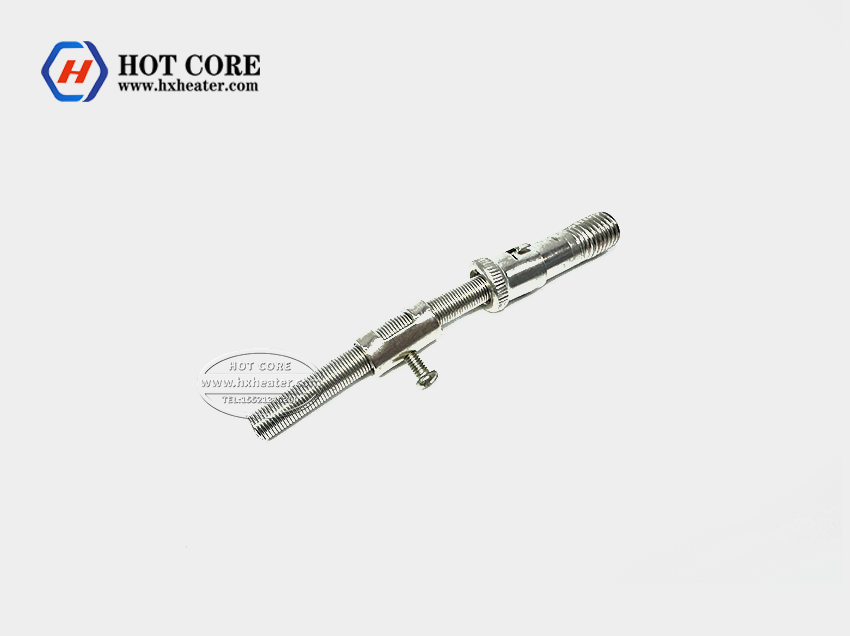 Principales fonctionnalités
- Mécanisme à ressort: Fournit une pression de contact constante sans surcharger le thermocouple ou la surface de l'équipement.
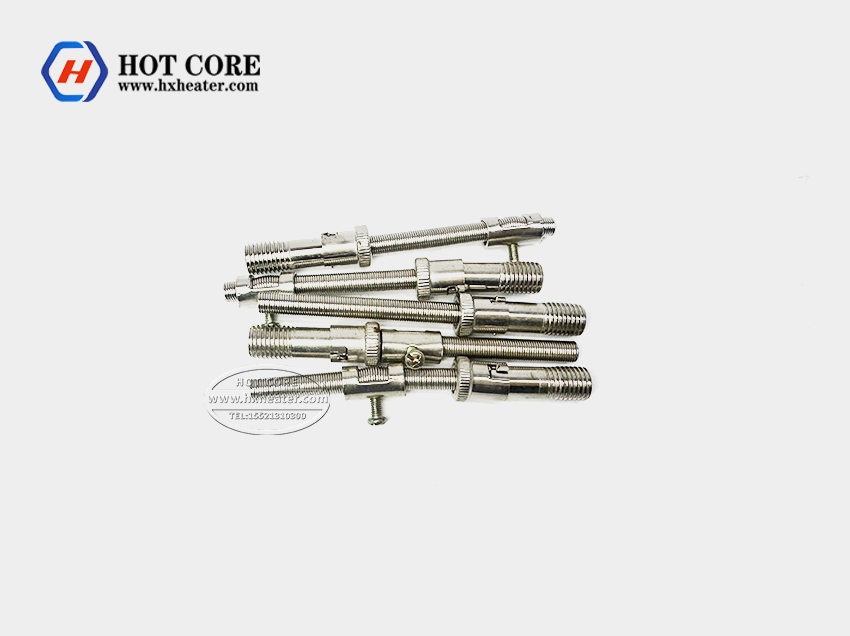
- Construction durable: Généralement fabriqué à partir de matériaux résistants à la corrosion (par ex., 304/316 acier inoxydable) pour la compatibilité avec les environnements difficiles.
- Compact, conception polyvalente: S'adapte aux espaces restreints (commun dans les machines) et s'adapte à différentes tailles de thermocouples standard.
- Sans outil (ou simple) installation: Comporte souvent des ports filetés ou des composants à connexion rapide pour une configuration rapide.
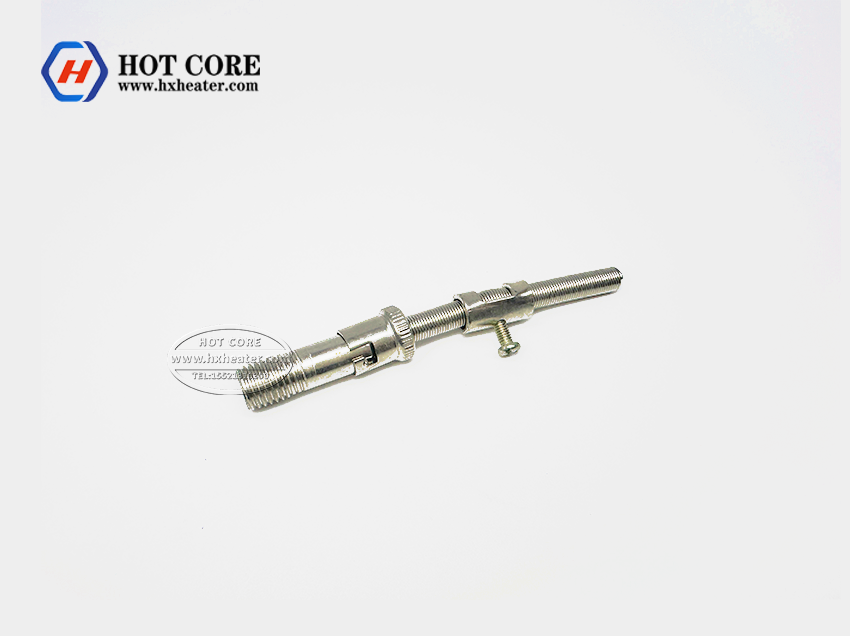
Avantages
- Précision de température améliorée: Un contact constant avec la surface élimine les espaces qui provoquent des retards de mesure ou des inexactitudes.
- Durée de vie prolongée des thermocouples: Protection physique et usure réduite (à partir d'un positionnement stable) prolonger la durée de vie du thermocouple.
- Adaptabilité: Gère mieux les vibrations et les mouvements thermiques de l'équipement que le rigide, boîtiers sans ressorts.
- Rentabilité: Réduit les besoins de maintenance (moins de remplacements de thermocouples) et minimise les erreurs de mesure qui perturbent les processus.
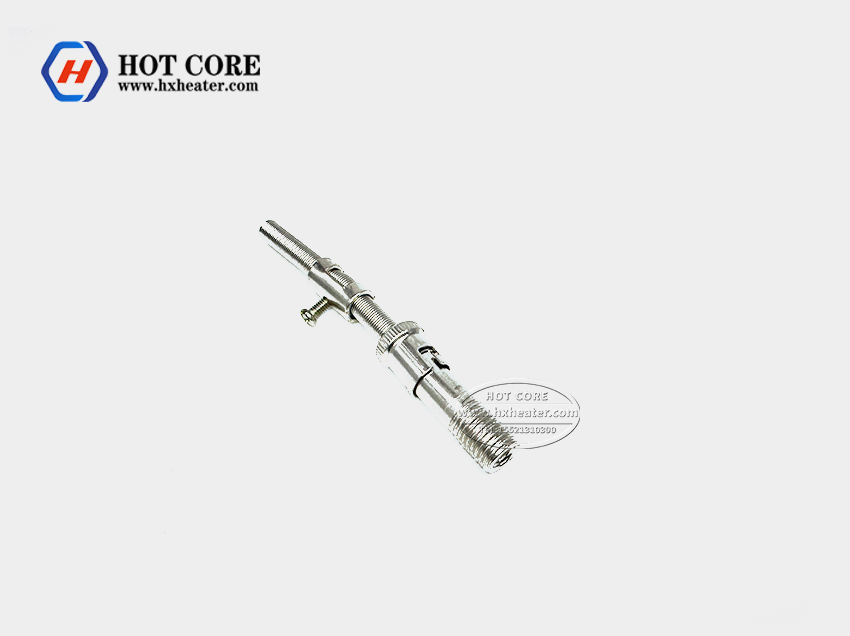
Scénarios d'application
Il est largement utilisé dans les configurations de surveillance de la température où un contact stable est essentiel.:
- Fabrication industrielle (moules de moulage par injection, barils de machine d'extrusion, outils de moulage sous pression).
- Traitement chimique (récipients de réaction, points de température du pipeline).
- Nourriture & production de boissons (fours de cuisson, équipement de pasteurisation).
- Métallurgie (fours de chauffage, machines de formage des métaux).
- CVC & systèmes énergétiques (tuyauterie haute température, composants de chaudière).
Attributs clés
- Matériel: 304/316 acier inoxydable (résistance à la corrosion pour les environnements humides/chimiques).
- Types de thermocouples compatibles: Fonctionne avec les qualités de thermocouples standard (par ex., K, J, T, Types E).
- Plage de pression du ressort: Généralement 5 à 15 N (équilibre l’étanchéité des contacts et la protection des surfaces).
- Plage de température de fonctionnement: -40°C à 800°C (varie selon le matériau; les qualités à haute température peuvent dépasser cette valeur).
- Filetage de montage: Fils industriels standards (par ex., M8, M10) pour une compatibilité universelle des équipements.

Résumé
Le boîtier du thermocouple à ressort est un accessoire petit mais à fort impact qui améliore les performances du thermocouple: sa conception à ressort garantit une précision, lectures de température stables, tandis que sa construction durable protège l'élément de détection, ce qui en fait un outil fiable, ajout rentable aux systèmes de surveillance de la température industrielle.