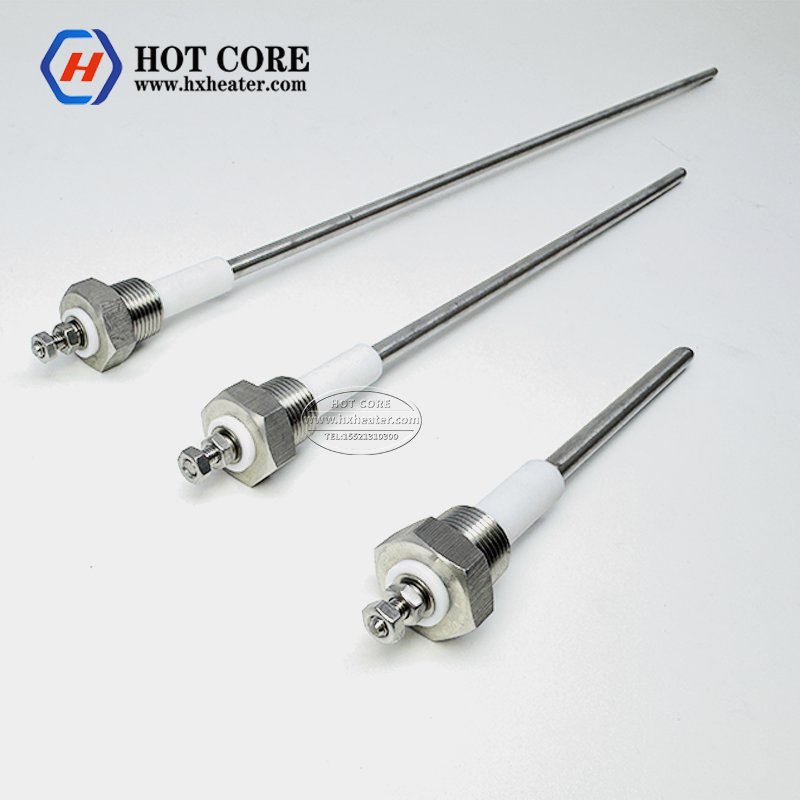
Utilisations & Fonctions
Leurs rôles principaux se concentrent sur la surveillance du niveau d'eau et la réglementation de la sécurité.:
- Détection de niveau en temps réel: Détecter la présence ou l'absence d'eau à des points précis (par ex., faible, moyen, niveaux élevés) à l'intérieur des chaudières/générateurs de vapeur.
- Transmission du signal de contrôle: Envoyez des signaux électriques à un contrôleur de niveau d'eau lorsque l'eau atteint ou descend en dessous des seuils cibles, déclenchement du réapprovisionnement automatique en eau ou des arrêts du système.
- Prévention des risques: Éliminez les risques comme cuisson à sec (pas d'eau dans la chaudière, ce qui provoque des dommages à l'équipement) ou débordement (l'excès d'eau perturbe la production de vapeur).
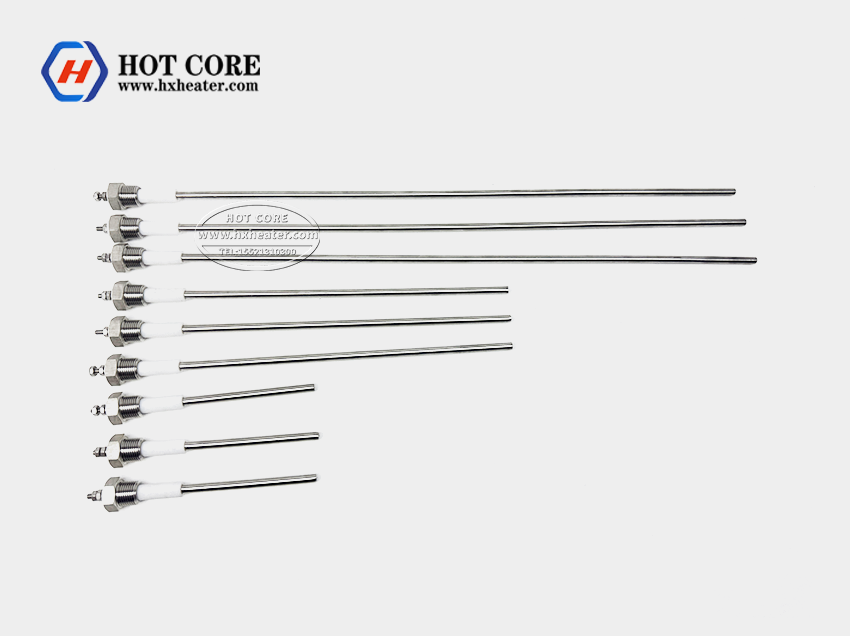
Principales fonctionnalités
- Construction résistante à la corrosion: Fait de 304/316 acier inoxydable (ou alliages résistants à la chaleur) résister à des températures élevées, à haute pression, et eau de chaudière alcaline/acide.
- Isolation haute température: Equipé de céramique (ou PTFE) segments d'isolation pour isoler l'électrode des corps d'équipement, assurer une transmission précise du signal.
- Installation filetée: Les bases filetées standard permettent un, fixation sécurisée dans les parois de la chaudière ou dans les réservoirs d'eau (compatible avec la plupart des ports d'équipement).
- Réponse rapide: Les pointes de sonde haute sensibilité permettent une détection de niveau quasi instantanée, minimiser les retards dans les réactions du système de contrôle.
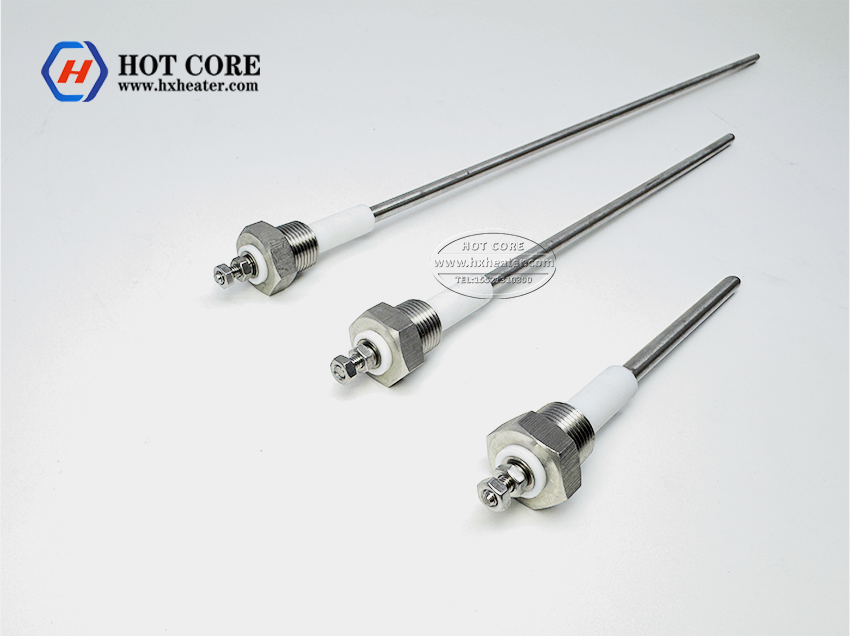
Avantages
- Fiabilité dans les environnements difficiles: Fonctionne de manière constante dans des conditions de haute température/haute pression (contrairement aux capteurs à flotteur, qui pourrait se coincer ou se dégrader).
- Faible entretien: Simple, la conception sans pièces mobiles réduit la fréquence de nettoyage/remplacement (les matériaux durables résistent à l'usure).
- Rentabilité: Plus abordable que les capteurs optiques/ultrasoniques tout en répondant aux exigences fondamentales de sécurité/contrôle.
- Précision multipoint: Le placement ciblé de la sonde permet une surveillance précise de plusieurs points de niveau d'eau (par ex., alarmes de bas niveau, seuils de haut niveau).
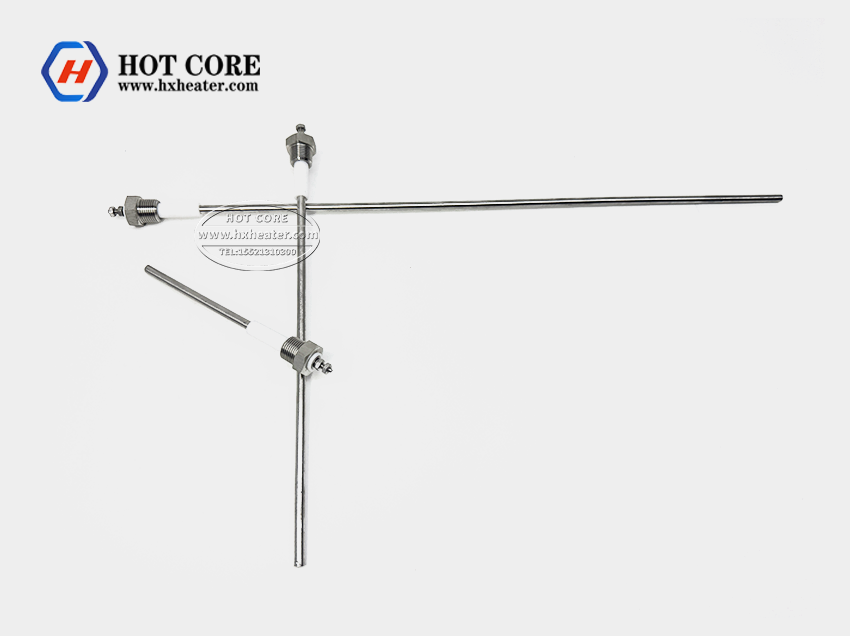
Scénarios d'application
Largement utilisé dans les équipements nécessitant un contrôle précis du niveau d'eau:
- Chaudières industrielles: Chaudières à vapeur/eau chaude pour usines, centrales électriques, ou systèmes de chauffage à grande échelle.
- Générateurs de vapeur: Unités commerciales/industrielles (par ex., pour la transformation des aliments, stérilisation, ou matériel de blanchisserie).
- Appareils à pression: Récipients sous pression et échangeurs de chaleur pour le stockage d'eau.
- Systèmes de chauffage commerciaux: Grands systèmes d'eau chaude (par ex., dans les hôtels ou les hôpitaux).
Attributs clés
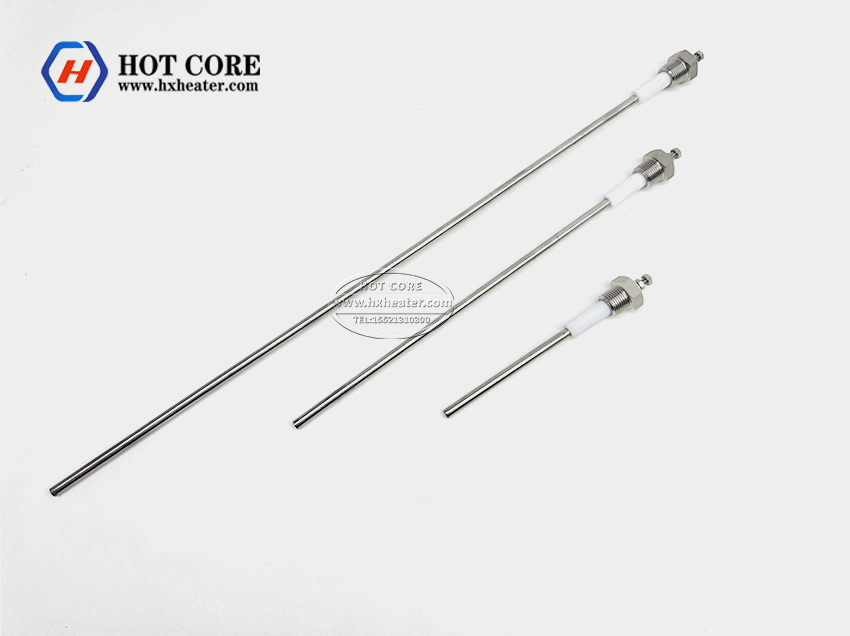
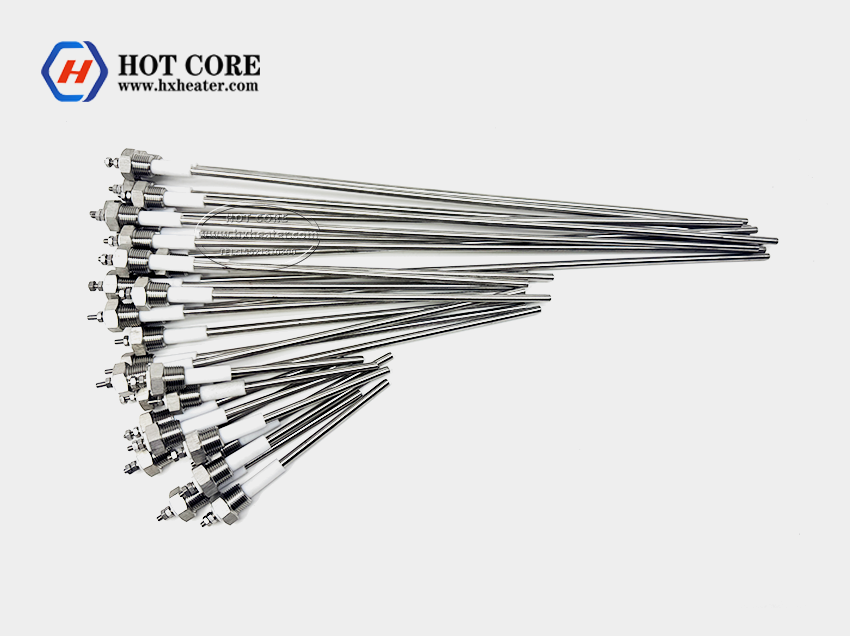
- Matériels: 304/316 acier inoxydable (sonde) + céramique/PTFE haute température (isolation).
- Tolérance de température: Jusqu'à 200 ℃ – 250 ℃ (correspond aux températures de fonctionnement standard de la chaudière).
- Pression nominale: Compatible avec 10-15 bars (pression de service standard de la chaudière).
- Montage: Fileté (par ex., G1/2, TNP) pour une intégration transparente.
- Longueur: Personnalisable (100mm–500 mm+) pour s'adapter à différentes profondeurs de réservoir/chaudière.
Résumé
Les sondes à électrodes de niveau d'eau de chaudière sont composants de sécurité et de contrôle non négociables pour équipement de chauffage/vapeur. Leur construction durable, réponse rapide, et une détection précise assurent une surveillance fiable du niveau d'eau, évitant ainsi les dommages, maintenir l'efficacité, et réduire les coûts d'entretien à long terme.
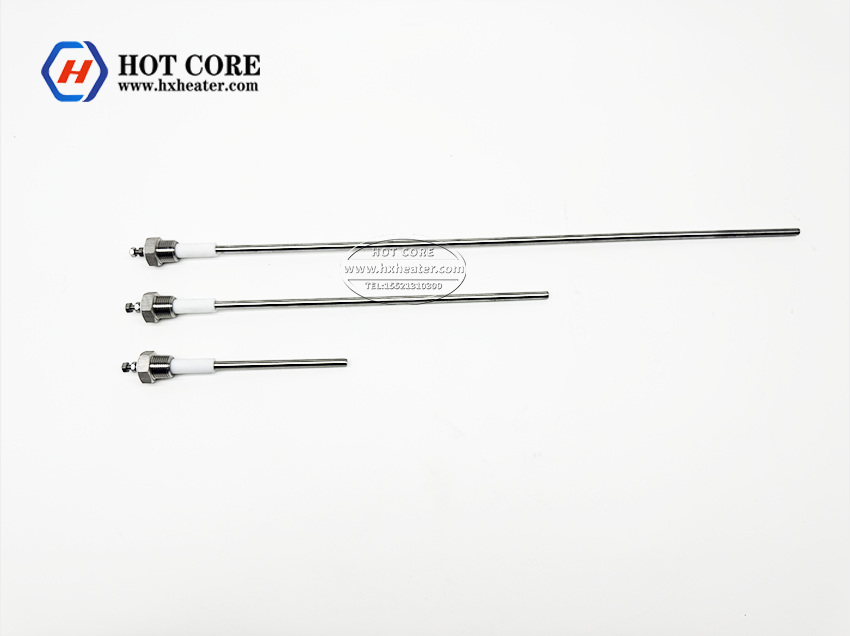

Qu'il s'agisse d'équiper des chaudières industrielles ou des générateurs de vapeur commerciaux, ces sondes offrent une solution rentable, solution nécessitant peu d’entretien pour la gestion des niveaux d’eau critiques.